Three engines. One survivability architecture.
Every technology is measured against one standard: does it strengthen Perform, Preserve, and Protect.
Inside the Stack
Each engine is developed once, validated in the field, and reused across every solution and brand on the platform.
FEATHER/91
Generative concealment for the sensorized battlefield
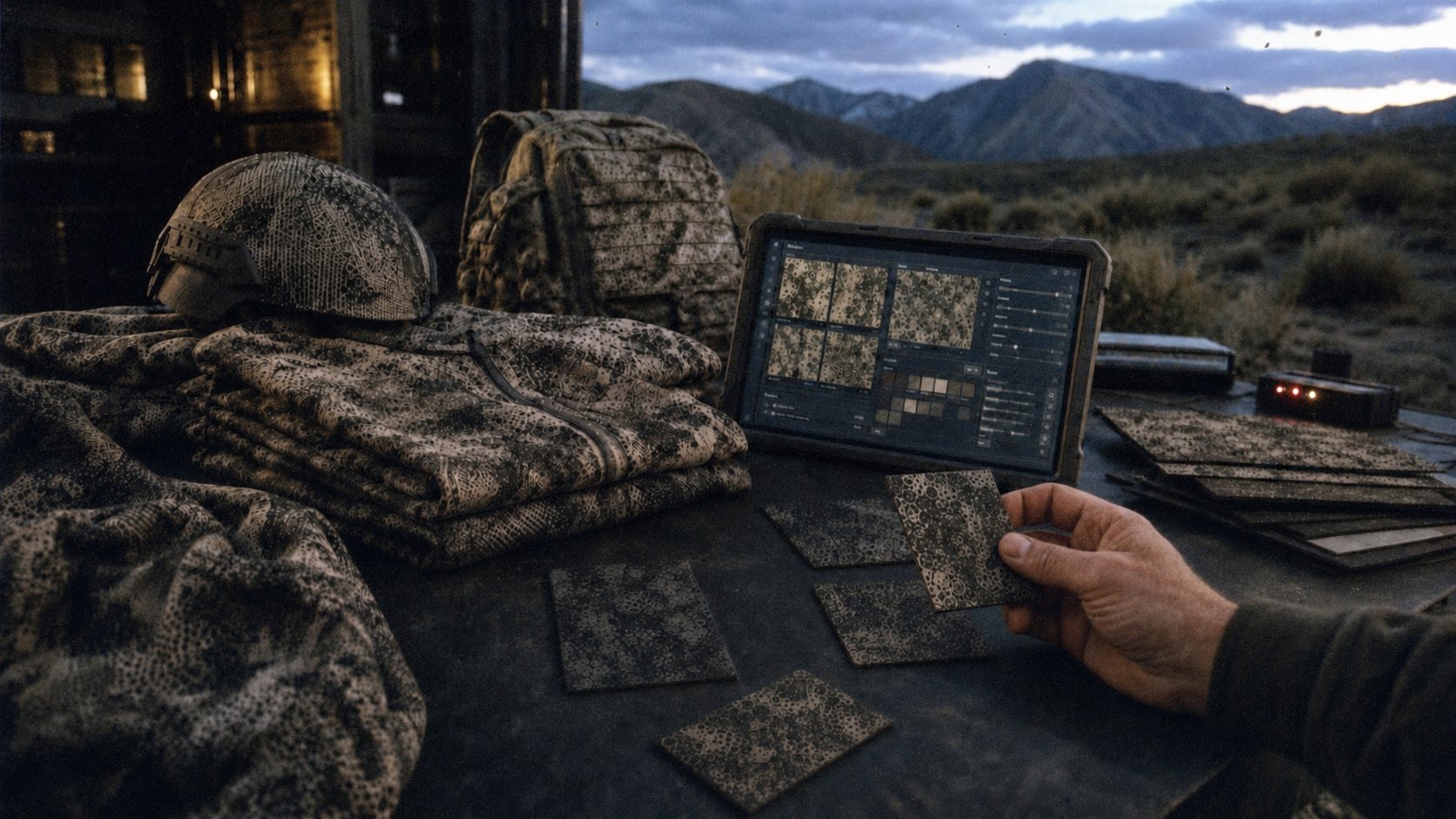
The field is no longer seen by human eyes alone—thermal, infrared, and machine-vision systems make people and assets easier to find, classify, and track. FEATHER/91 is built to deny certainty to machines.
What it does
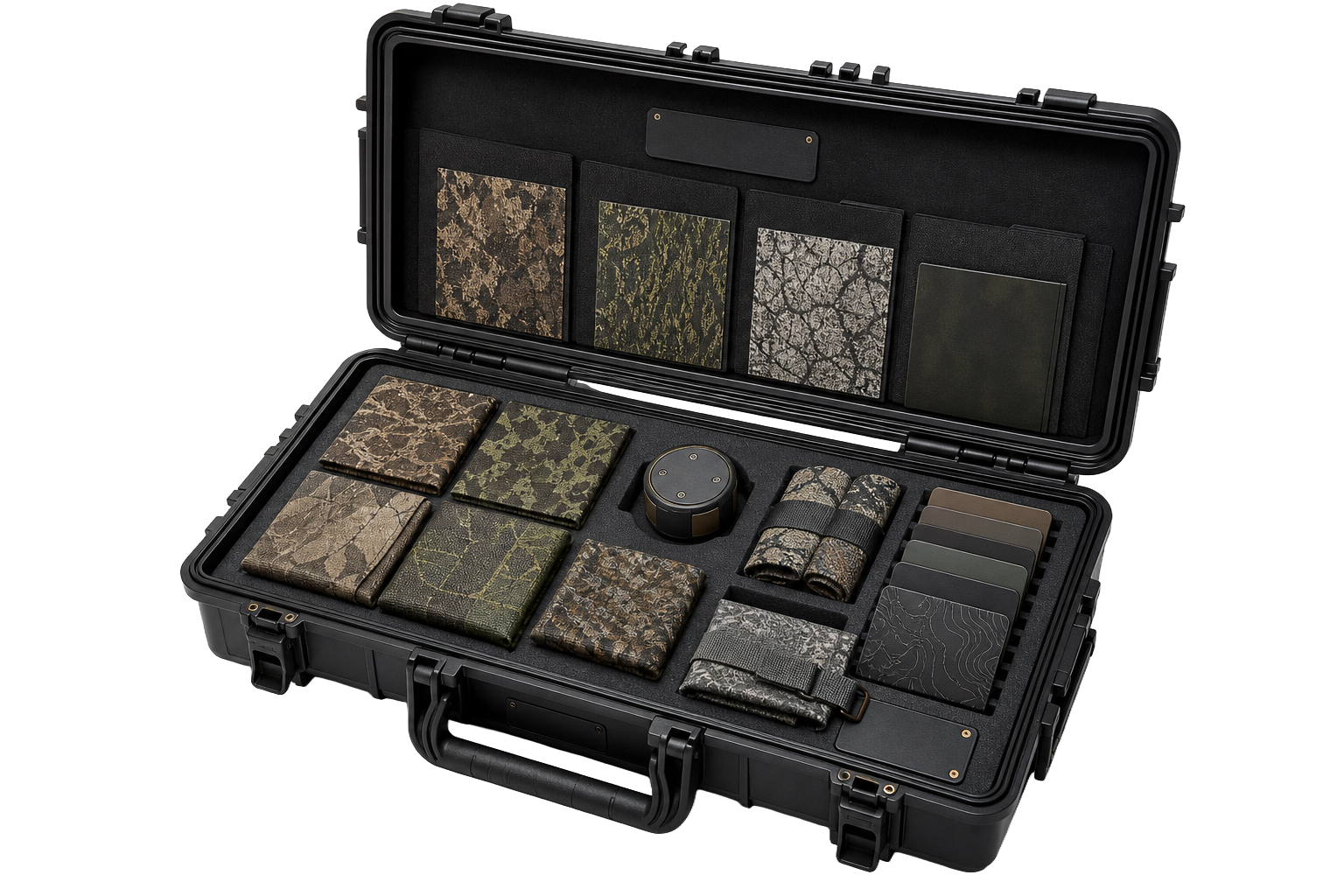
Generates terrain-aware, motion-aware, sensor-aware concealment for wearables, gear, surfaces, and platforms—turning static camouflage into a generative concealment layer.
Static vs. generative
Traditional camouflage is a fixed, repeating pattern designed for human vision. FEATHER/91 produces non-repeating, disruption-first patterning built to reduce visible signature across sensor classes.
From wearable to platform
The wearable layer is proven first; the same concealment logic then extends to larger authorized platforms—UAS, aircraft and vehicles, maritime, and OEM licensing.
Where it applies
- Tribe tactical gear and authorized equipment
- HYDE precision hunting patterns
- Forest outdoor performance surfaces
- Drone, vehicle, facility, and OEM concepts
SHEMA/6
Acoustic and field-signature intelligence
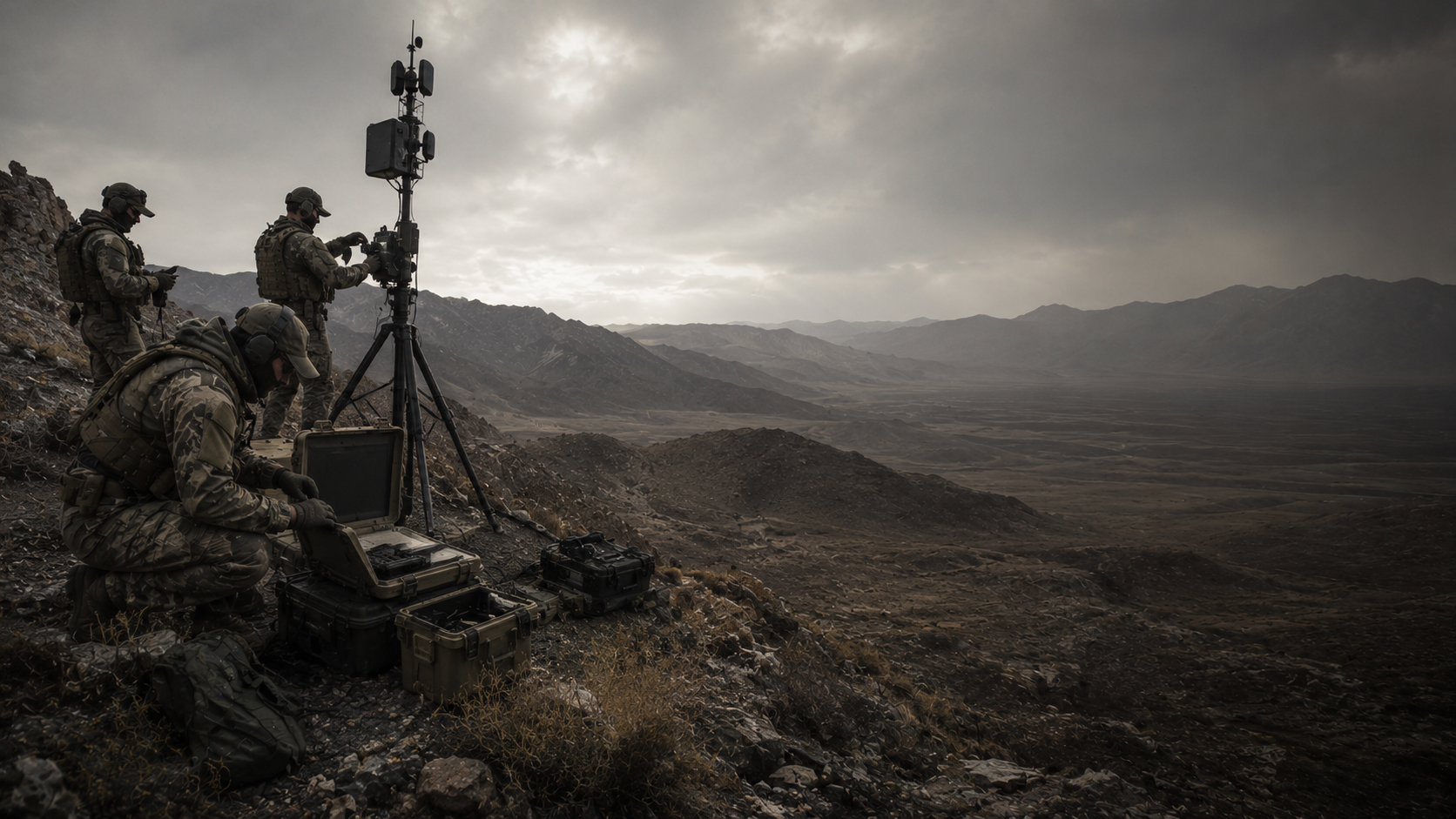
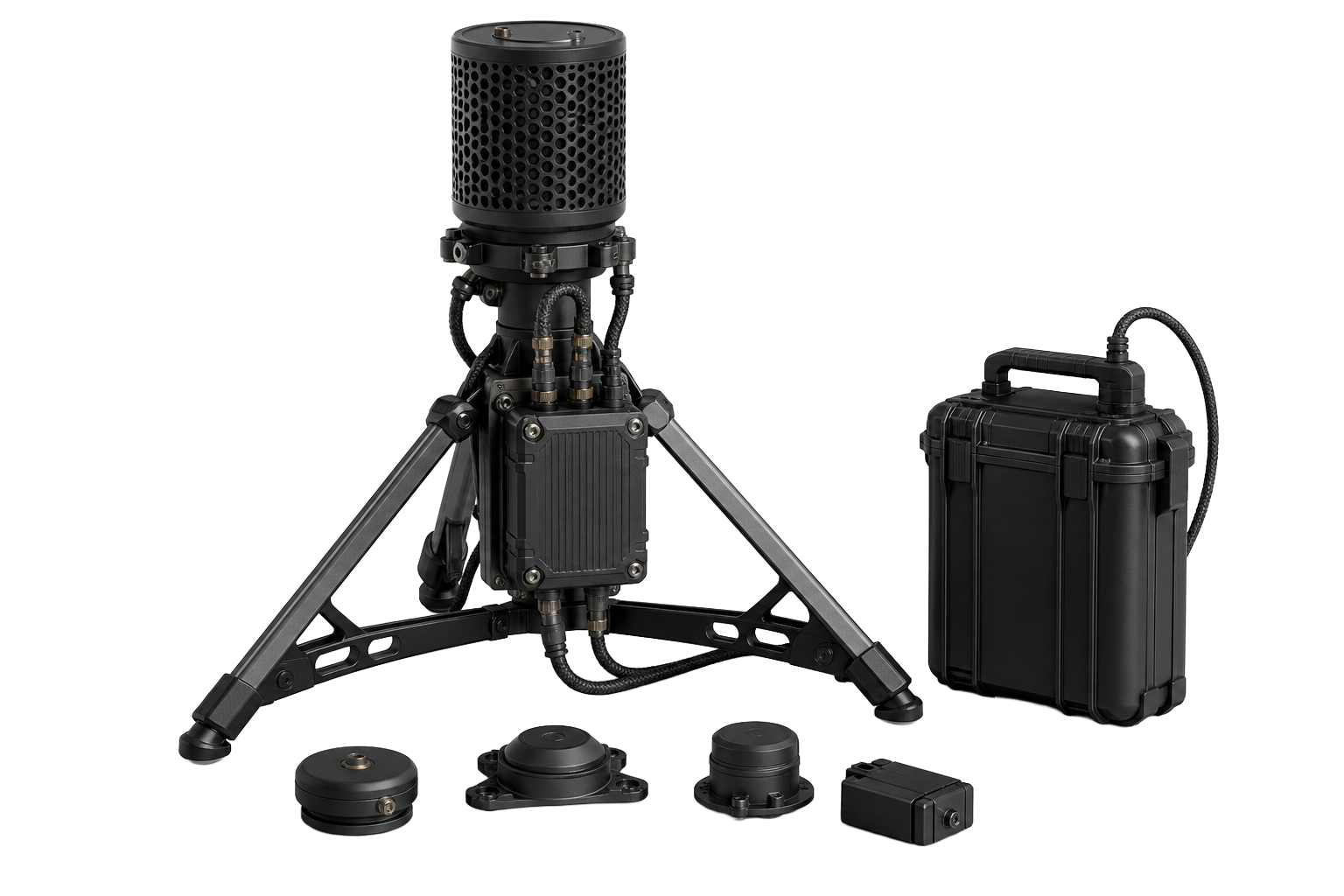
SHEMA/6 hears the field—converting acoustic and field signatures into cues, classifications, and alerts so the platform can establish confidence earlier, before a threat or failure becomes consequence.
Why it compounds
Every deployment grows the signature library. Better libraries mean faster cueing, stronger classification, and fewer false positives across every solution built on the platform.
What it hears
- Drone and UAS acoustic signatures
- Gunshot events
- Mechanical and industrial signatures
- Gas, impact, and vibration anomalies
- Facility and environmental cues
ARBEH/2
One drone family. Clear roles.
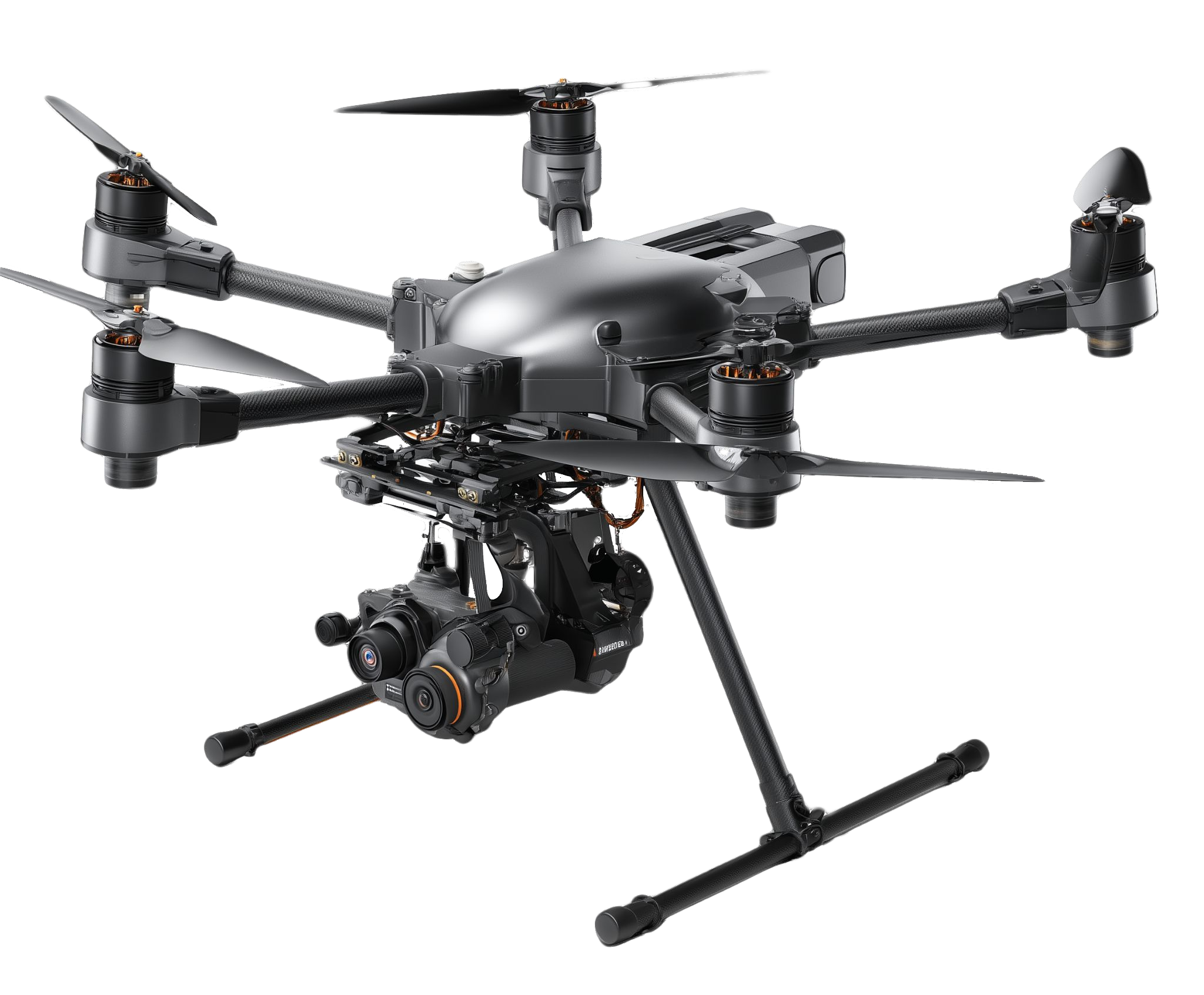
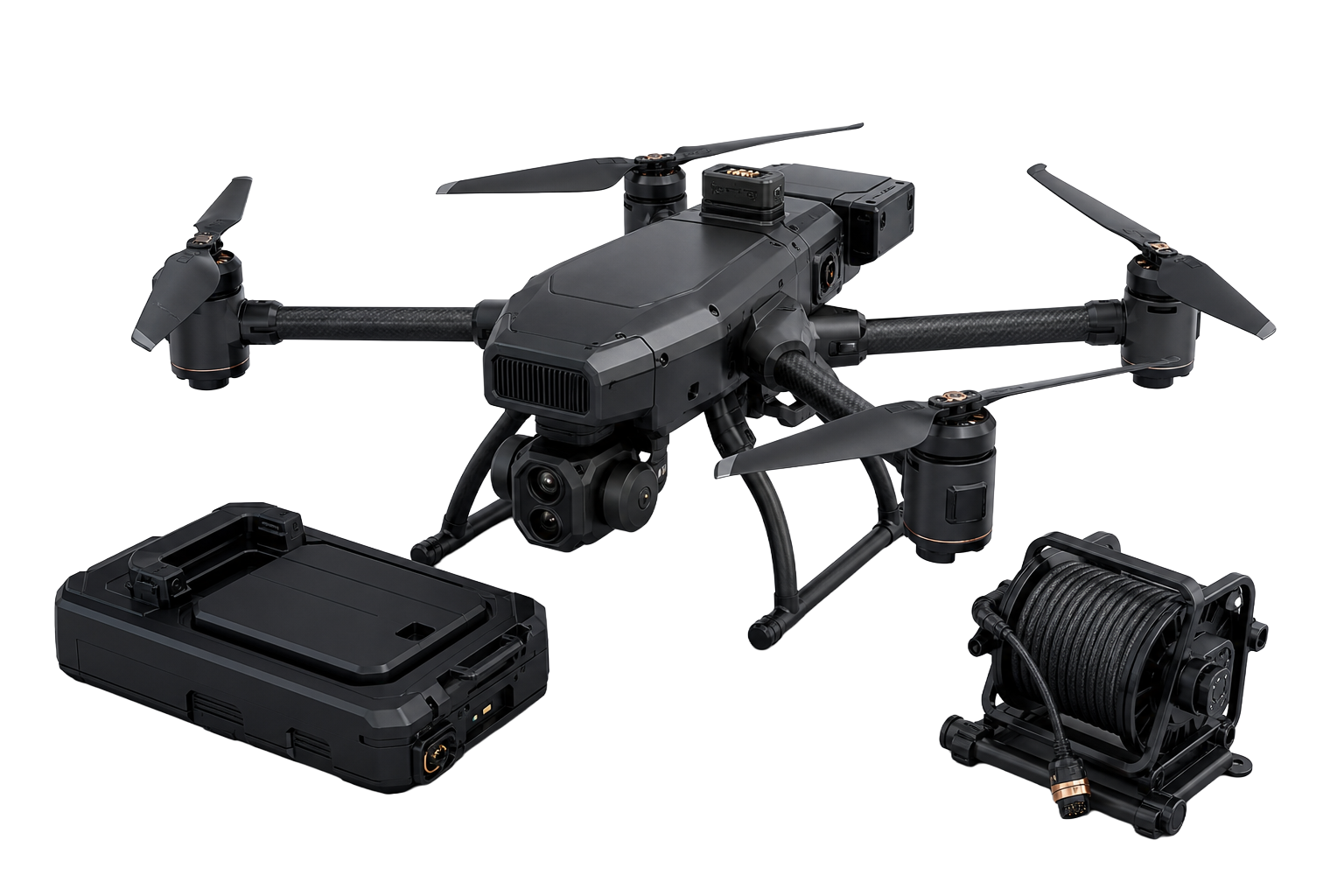
ARBEH/2 extends the field—a mesh-networked drone family that provides persistent watch, elevated sensing, communications relay, and deployable coverage across critical sites and operational environments.
What it does
Deploys a modular drone family for persistent watch, elevated sensing, and communications relay—mesh-networking distributed nodes into organized coverage that extends the platform's field of view across critical sites and operational environments.
Variants by role
- ARBEH/2-WATCH — persistent watch, inspection, and observation
- ARBEH/2-TETHER — elevated sensing and communications from a fixed site
- ARBEH/2-RELAY — field mesh, repeater, and sensor-network extension
- ARBEH/2-SHIELD — authorized defensive response configuration
- ARBEH/2-POD — deployable multi-unit coverage for high-risk areas
Commercial configurations emphasize watch, tether, relay, awareness, logging, and escalation. SHIELD and POD are government-authorized response configurations—available only where lawful, under proper authority.
Engineered and Made in the U.S.
A survivability company must turn concepts into manufacturable, supportable products. Domestic productization is how the platform keeps its promises.
Domestic manufacturing
U.S. production controls iteration speed, product quality, lead times, and buyer trust.
Configure-to-order
Fit, mission, and terrain customization without mass-inventory risk.
QA and field feedback
Prototype, production, repair, and warranty data feed directly into better products.
Repair and sustainment
Extended service life, lower total cost, and reinforced premium trust.
Domestic partner network
U.S. fabric, trim, cut/sew, industrial design, development, and fulfillment partners.
Compliance readiness
Berry Amendment, Buy American, cybersecurity, safety, and data requirements handled by product lane.